The Uluṟu Park Pass: What It Covers, and What It Does Not
The pass is not complicated, but the way it is sold is, and the exclusion that catches people has nothing to do with the price. Here is what you are buying and what it does not cover.
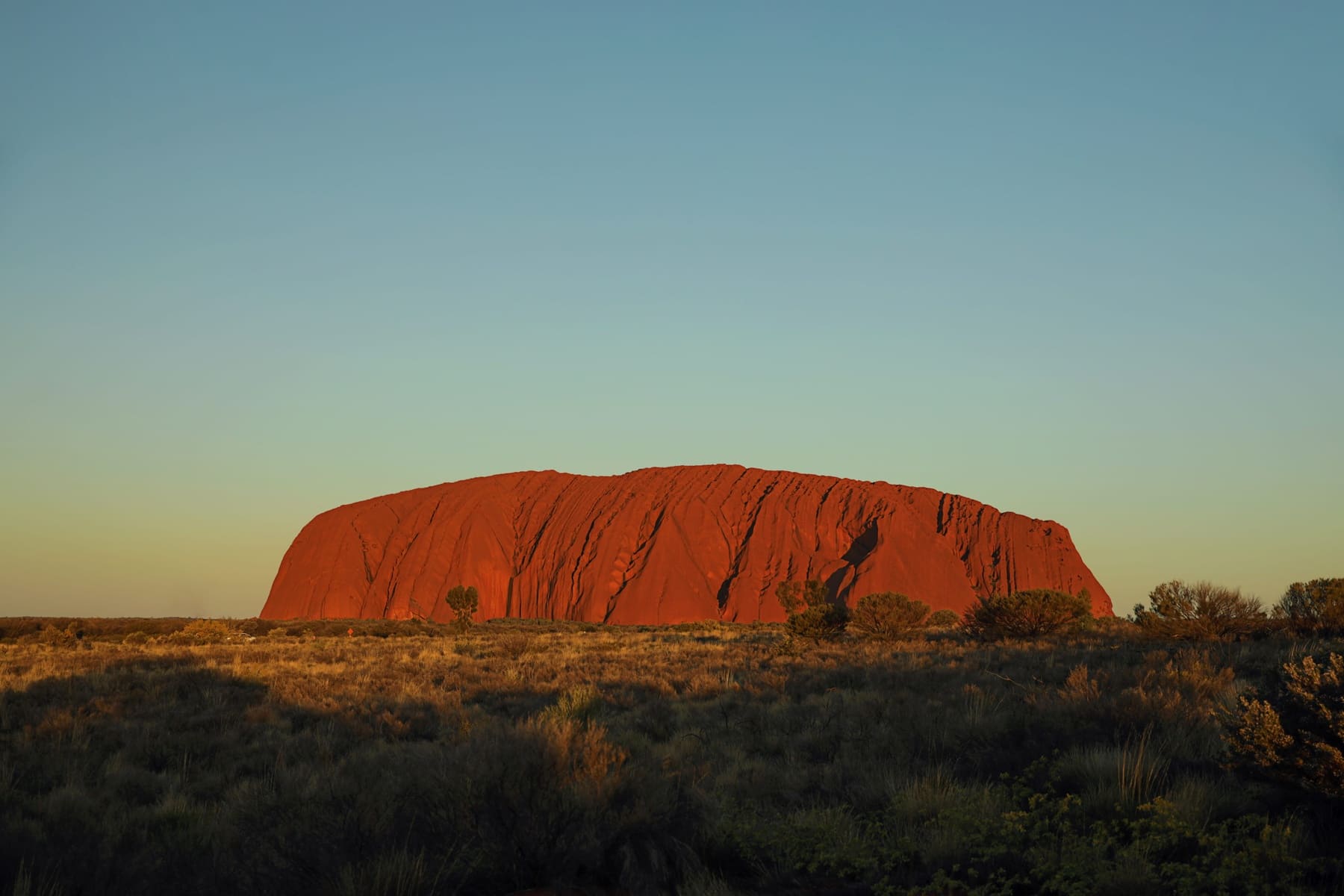
What the pass is for
Uluṟu-Kata Tjuṯa National Park charges entry, and the pass is how that is collected. It is a parks pass rather than a ticket to any individual attraction: once you hold one, the base walk, the viewing areas, the Kata Tjuṯa walks and the Cultural Centre are all inside it.
The park sells it online in advance rather than at a booth on arrival. That is not a formality — the entry station checks, and rangers check inside the park, and arriving without one means stopping to buy it while everyone behind you waits.
The exclusion that actually catches people
The pass covers this park and no other. Watarrka National Park, which is where Kings Canyon is, runs a separate Northern Territory parks pass, and the two do not overlap in either direction. Visitors who assume one covers both are the single most common case of someone arriving at a gate without the right thing.
The practical fix is to buy both before you leave the last town with reliable internet, because the parks do not sell them at the gate and mobile coverage in the Centre is patchy in exactly the places people tend to need it.
What it does not include
- Watarrka National Park and the Kings Canyon walks — separate NT pass.
- The Mereenie Loop permit, which is a land-access permit rather than a park pass.
- Camping. There is no camping inside this park at all, so the pass has nothing to do with where you sleep.
- Commercial tours and transport, which are priced by their operators.
That last point is worth stating because it is where the cost of a Red Centre trip actually accumulates. The pass is a small part of the budget; the tour operators, the fuel and the accommodation are the rest, and a pass that covers the park does not reduce any of them.
Why we do not quote the figure
Fees change, and a figure in a planning article goes stale without anyone noticing. The specific harm is not embarrassment: it is that someone budgets a trip on a number we published, arrives, and finds it has moved. They have already committed the money, the leave and the drive.
So we do not print it. The park publishes the current charge on its own page, which is a link that stays correct, and that is a better arrangement than a number that is right for one season. If you need to budget precisely, that page is the only source worth using.
Where it fits in a longer trip
The pass matters most to people doing the full loop, because it is the only one of the two you will need repeatedly — each re-entry to the park is a pass check, so a trip based at Yulara for three nights involves several. It matters least to someone passing through for a single afternoon.
If you are driving up from the south, campervans departing Adelaide for the north is the approach where both passes are easiest to sort in advance, because you pass through towns with reliable connectivity before the coverage thins. If you are collecting a vehicle somewhere else entirely, the nationwide campervan hire network is the page that shows which depots exist, since the pass question is much easier to answer once you know where your trip actually starts and ends.
The pass is one purchase and one exclusion. Buy it before you leave the last town with signal, buy the Watarrka pass at the same time, and the rest of the trip is about the country rather than about gates.
Questions people ask
Do you need a pass for Uluṟu?
Yes. Uluṟu-Kata Tjuṯa National Park charges entry, and the pass is bought online in advance rather than at a gate. It covers the base walk, the viewing areas, the Kata Tjuṯa walks and the Cultural Centre.
Does the Uluṟu pass cover Kings Canyon?
No. Watarrka National Park, where Kings Canyon is, is a Northern Territory park with its own separate pass. Neither pass covers the other, which is the most common misunderstanding about Red Centre passes.
Can you buy the pass at the park entrance?
No. It is sold online in advance. The entry station checks it, and rangers check inside the park, so arriving without one means stopping to buy it on the spot.
How much is the Uluṟu park pass?
We do not quote it, because fees change and a stale figure is worse than none for someone building a budget. The park publishes the current charge on its own page, and that is the link to use.
Where this came from
Distances, surfaces, permit rules and park hours change. Check the authority above before you rely on any of it for a specific date.