Two Pass Systems, Not One
The Red Centre's two biggest parks are administered by different governments under different legislation. That single fact explains almost every pass confusion visitors have, and it has nothing to do with how the parks look on a map.
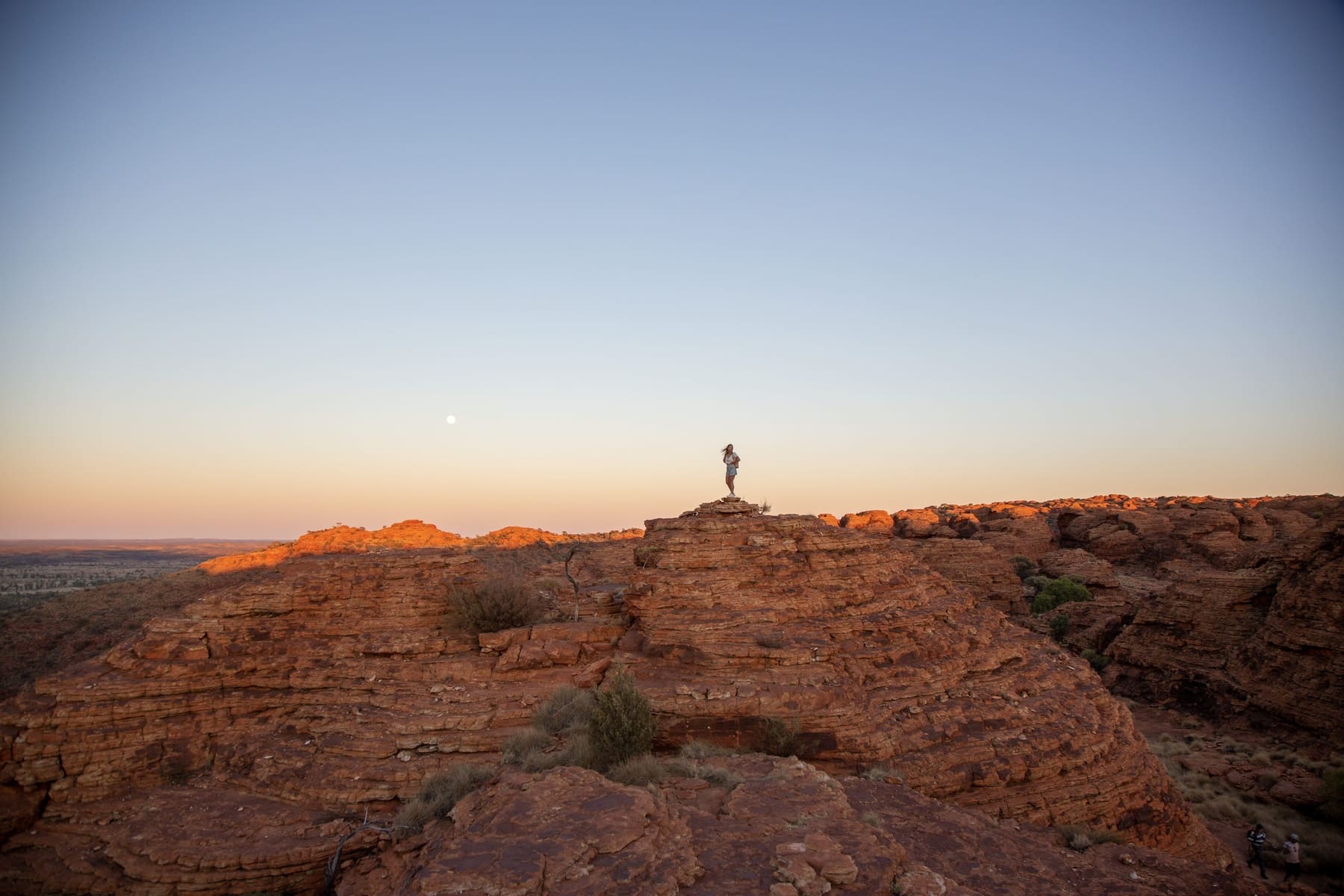
Why there are two systems
Uluṟu-Kata Tjuṯa was handed back to its Traditional Owners in 1985 and is leased back to the Commonwealth, which manages it jointly with Aṉangu through a board. Watarrka is a Northern Territory park, created and administered under Territory legislation. Two different governments, two different funding arrangements, two different pass products.
Nothing about this is designed to inconvenience visitors. It is a consequence of federalism meeting land rights, and the practical effect is simply that you buy two things instead of one.
What each one covers
| Uluṟu-Kata Tjuṯa | Watarrka | |
|---|---|---|
| Administered by | Parks Australia, jointly with Aṉangu | NT Parks |
| Pass | Parks Australia visitor pass | NT parks pass |
| Base walk, viewing areas | Covered | Not applicable |
| Kings Canyon Rim Walk | Not covered | Covered |
| Covers the other park | No | No |
The permit that is not a pass
There is a third thing that gets filed under 'pass' in people's minds and should not be: the Mereenie Loop permit. That is a land-access permit for driving across Aboriginal land, it is a legal requirement under both federal and Northern Territory law, and it is not a park pass at all. It does not admit you to anything. It permits you to be on the road.
Fines apply without one, and the check is not theoretical. If you are driving the Loop, sort it before you go rather than assuming it can be arranged at a roadhouse.
Where people get caught
The failure mode is almost always the same: someone buys the Uluṟu pass, drives to Kings Canyon assuming it carries over, and discovers at the canyon that it does not. The reverse happens too, less often, because people who have bought an NT pass tend to have read the NT pages.
The fix is unglamorous. Buy both in Alice Springs or Yulara before you set out, keep the confirmations offline on your phone, and do not rely on being able to buy one at a park entrance, because you cannot.
Booking the trip around it
Because both passes are online purchases, they are easiest to handle at the point where you are also sorting the vehicle — the two decisions happen in the same planning session and both want reliable internet. A campervan reservation made before the flight puts you in that session at the right moment, and campervan hire branches in every state is worth checking before you commit, because where you collect the vehicle determines which of the two parks you reach first and therefore which pass you need sooner.
Two purchases, made in the same planning session, and the confusion disappears. The parks are separate because the arrangements that created them are separate, not because anyone wanted to make visiting harder.
Questions people ask
Does one pass cover both Uluṟu and Kings Canyon?
No. Uluṟu-Kata Tjuṯa is a Commonwealth park with a Parks Australia pass; Watarrka is a Northern Territory park with its own pass. Neither covers the other in either direction.
Is the Mereenie Loop permit a park pass?
No. It is a land-access permit for driving across Aboriginal land, required under federal and Northern Territory law. It does not admit you to any park.
Where can you buy the passes?
Online in advance. Neither is sold at a park gate. Alice Springs and Yulara are the last places with reliable internet before the parks.
Do you need a pass for the West MacDonnell Ranges?
The ranges include Northern Territory parks and reserves covered by the NT pass. Specific sites such as Standley Chasm are privately operated and charge separately, which is a different arrangement again.
Where this came from
- Parks Australia — passes and permits
- NT Parks — passes and permits
- Tourism Central Australia — Mereenie Loop
Distances, surfaces, permit rules and park hours change. Check the authority above before you rely on any of it for a specific date.