The Great Central Road: Three Permits, Three Days, No Extensions
Most outback permits are paperwork. This one is a clock: the transit window is three days and two nights, it is not extended, and everything else about the crossing is downstream of that single constraint.
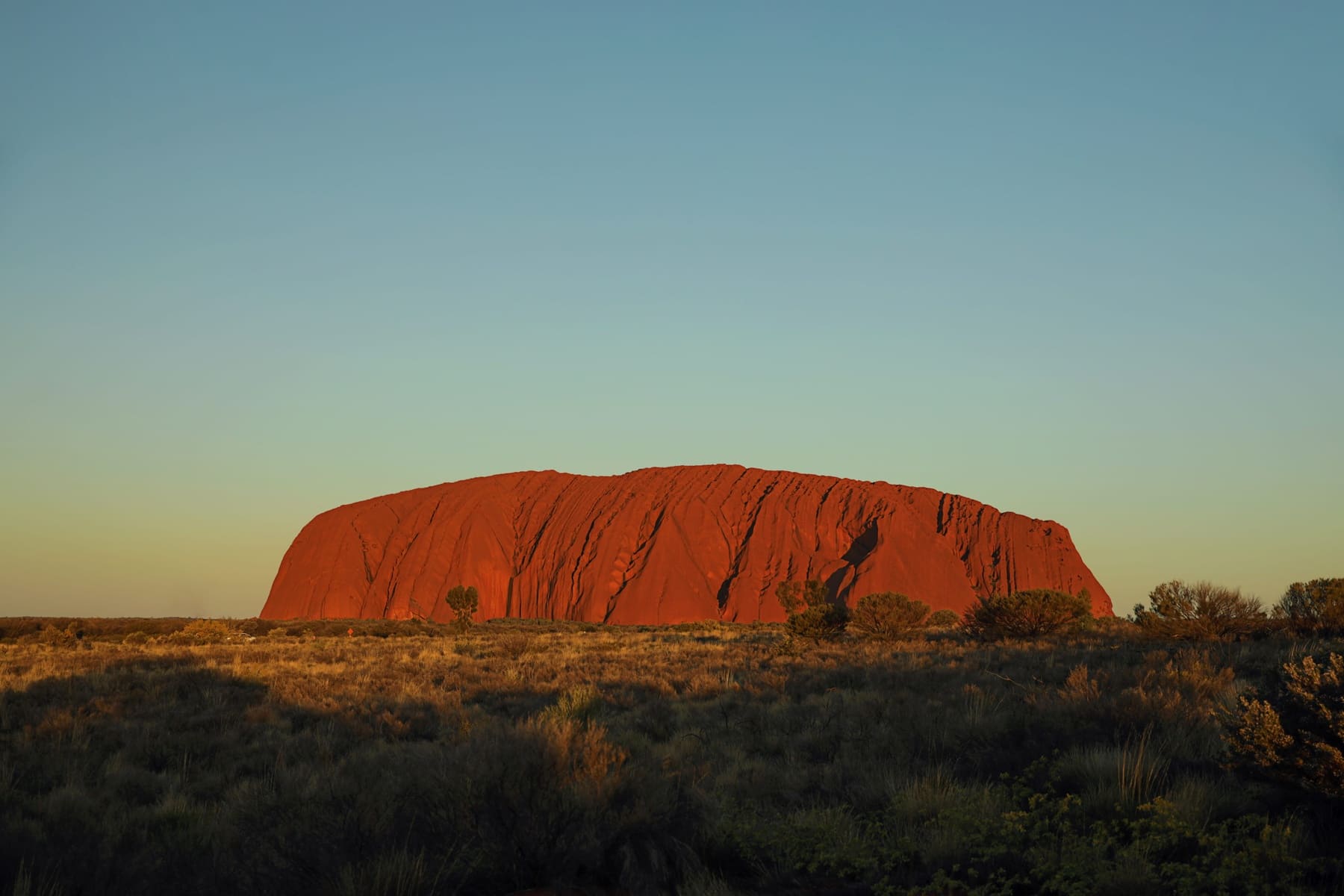
The clock is the actual constraint
The Great Central Road runs from Yulara in the Northern Territory to Laverton in Western Australia, over 1,100 km, mostly unsealed, across Aboriginal land in both directions. The permits that allow the crossing come with a transit window: three days and two nights.
That window does not extend. It is not a guideline, it is not negotiable at a checkpoint, and it does not flex for weather, mechanical trouble or a slow vehicle. Everything about planning this crossing follows from accepting that: your daily distances are set by the clock rather than by comfort, and there is no version of this trip where you take an extra day.
Three permits, not two
This is where most summaries are wrong, including some official-looking ones. The commonly repeated figure is two permits, which is correct only if you are crossing purely within Western Australia. Starting from Yulara adds a third.
| Permit | Issued by | Covers |
|---|---|---|
| Transit permit — WA (west) | WA Department of Planning, Lands and Heritage | Laverton to Tjukayirla |
| Transit permit — WA (east) | Ngaanyatjarra Council | Tjukayirla to the NT border |
| Transit permit — NT | Central Land Council | Tjukaruru Road, if starting from Yulara |
All three are applied for separately, from separate bodies, on separate timelines. None of them is instant, and applying late is the most common reason a planned crossing does not happen.
Fuel: the detail that catches people
There is fuel. That is worth saying clearly because 'no fuel' is a simplification that gets repeated and it is wrong in a way that causes real problems: people either carry far more than they need or plan as though the roadhouses do not exist.
What is true is more specific and more useful: the roadhouses along the route sell Opal rather than standard unleaded. Opal is the low-aromatic fuel supplied in these regions, and a vehicle that requires standard unleaded cannot simply fill up as it would elsewhere. Diesel is available. If your vehicle has specific fuel requirements, that is the thing to check before committing, not the presence of a roadhouse.
What the road actually asks
- A high-clearance vehicle. This is not a road for a standard campervan, and rental agreements frequently exclude it.
- Water for the gaps, carried rather than assumed.
- No entering communities along the way. The permits are for transit, not for visiting.
- Closed towing of alcohol in some sections; check the permit conditions rather than assuming.
- A realistic view of your daily distance: the window is three days and the road is over 1,100 km.
What happens if you are late
You are outside your permit, on Aboriginal land, without permission to be there. That is the plain answer. It is not a matter of a fine at a checkpoint because there frequently is no checkpoint; it is a matter of being somewhere you were given permission to cross and no longer have permission to be.
The practical implication is that the plan needs margin built into it, and the margin has to come from daily distance rather than from the total. If a vehicle problem costs you half a day on day two, the recovery has to happen within the window, not after it.
The vehicle decision, made early
This is the one route in this guide where the vehicle question is not close. A high-clearance 4WD is the requirement, and the rental agreement has to permit unsealed roads and the specific route — which is a separate question from whether the vehicle can physically do it.
Because the crossing starts in the west, the decision is made there. campervan hire locations before the WA border is the place to establish which depot you are actually collecting from, and a 4WD hired in Perth for the crossing is the fleet to ask about specifically — with the unsealed-road question settled in writing before you commit to a permit application, because a permit for a route you cannot legally insure is worse than no plan at all.
Permits first, vehicle second, and the three-day clock last of all — because it is the one thing none of the other planning can move.
Questions people ask
How many permits do you need for the Great Central Road?
Two if the crossing stays within Western Australia: one from WA DPLH for Laverton to Tjukayirla, one from the Ngaanyatjarra Council for Tjukayirla to the NT border. Starting from Yulara adds a third, from the Central Land Council, for Tjukaruru Road.
How long do you get to cross?
Three days and two nights. The window does not extend, and it does not flex for weather or mechanical problems. Everything about daily planning follows from that.
Is there fuel on the Great Central Road?
Yes, but the roadhouses sell Opal rather than standard unleaded, plus diesel. 'No fuel' is a simplification that causes people to carry too much or plan badly. Check your vehicle's fuel requirements before committing.
Can you drive it in a standard campervan?
No. It needs a high-clearance 4WD, and many rental agreements exclude unsealed roads or this route specifically. That is a separate question from whether the vehicle can physically manage it.
Where this came from
- Central Land Council — permits
- Shire of Ngaanyatjarraku — Aboriginal land permits
- WA Department of Planning, Lands and Heritage — travel permits
- Road Report NT
Distances, surfaces, permit rules and park hours change. Check the authority above before you rely on any of it for a specific date.